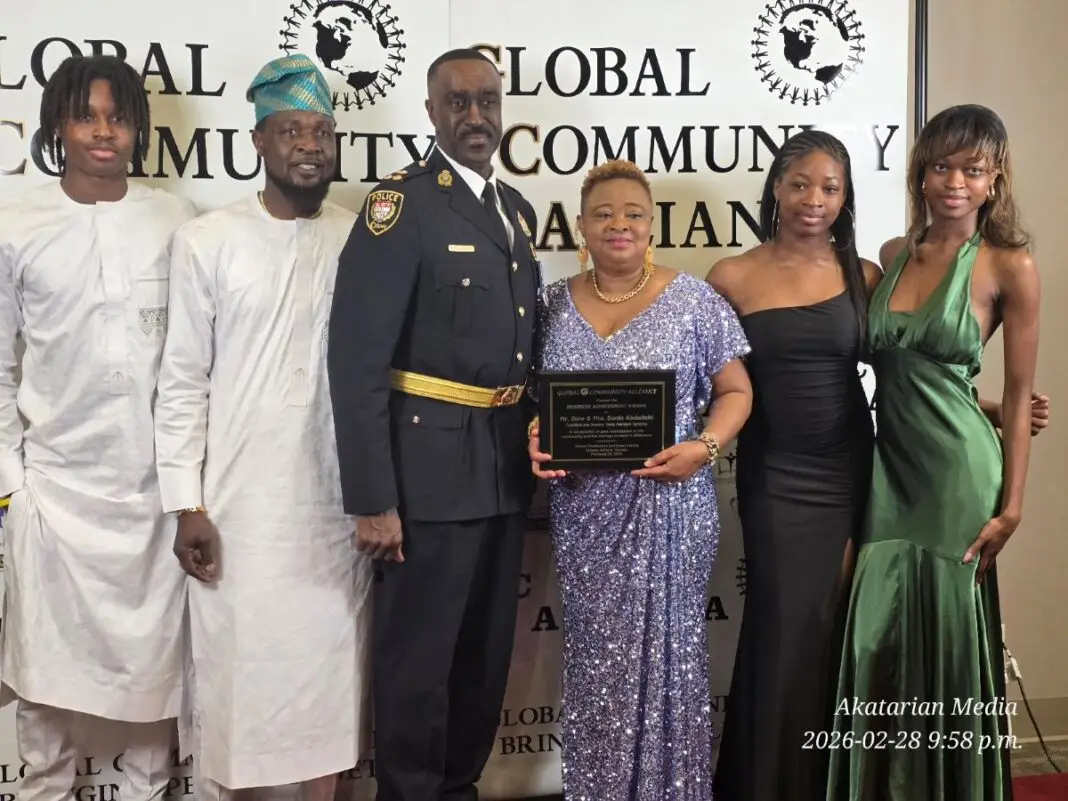

Some events you attend for coverage. Some events you attend and realize something is shifting.
The 14th Annual GCA Gala in Ottawa, marking 30 years of Black History Month in Canada and 40 years of Black History Ottawa 2026 GCA GALA FINAL PROGRAM, was supposed to be a celebration.
And it was. But it was also something else. It felt like a quiet transition.
Not loud. Not dramatic. But real.
Sitting at the Table
I had the opportunity to speak with Fred Ngoundjo, elected in 2022 as the first Black male councillor in Cornwall’s history. He said something simple:

“We are writing history… By being at the council table, we are bringing our issues to the table.”
That line stayed with me. Because representation is not just about being seen. It’s about being in the room when decisions are made.
Municipal councils decide where housing gets built. How safety is prioritized. How inclusion policies are structured.
And at the municipal level, there is no distance between politician and citizen.
“A resident can call and say, ‘I have this issue — solve it now.’”
That proximity makes local government powerful – and personal.
For years, many in the diaspora focused on federal politics. National debates. Big headlines.
But real change often begins at city hall.
The Barriers We Don’t Always Say Out Loud
Councillor Ngoundjo didn’t sugarcoat anything.
He spoke about the everyday barriers Black communities still face, including employment, housing, identity challenges, racism.
“Breaking barriers is a day-to-day job.”
Not a viral moment. Not a one-time speech. Daily work. That honesty matters.
Because progress isn’t linear. And it isn’t automatic.
It requires people willing to show up repeatedly, even when the spotlight is gone.
Enterprise That Restores Dignity
At another table sat Dare and Sonia Abdullahi, co-founders of Sonia Footcare Services. Her business fills a gap many people don’t even think about. Foot care.
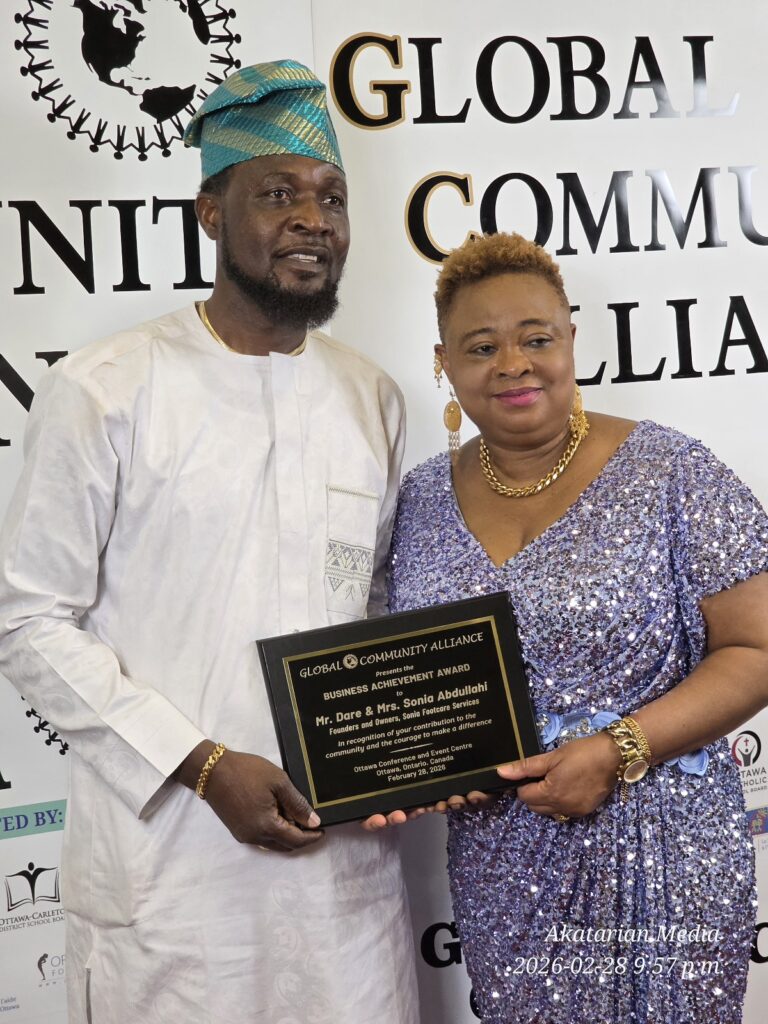
It sounds small until you realize mobility determines independence.
“If you can’t stand on your feet,” she told me, “your whole body suffers.”
She entered the field after noticing many foot care nurses were retiring. Seniors were being left without accessible support.
But her motivation was personal.
“When I came to Canada, I received help from people I didn’t know. I wanted to give back.”
Her work isn’t cosmetic. It’s preventive healthcare.
She helps seniors who can’t see clearly enough to cut their nails safely. She identifies gait problems, improper footwear, early warning signs.
Small interventions. Big impact.
And when she received the Business Achievement Award, she said simply:
“This award is for the whole team.”
That humility says something. Some businesses chase margins.
Others fill gaps. Hers does both.
Public Safety and National Recognition
Deputy Police Chief Paul Burnett received the Professional Achievement Award, presented by Police Chief Eric Stubbs.
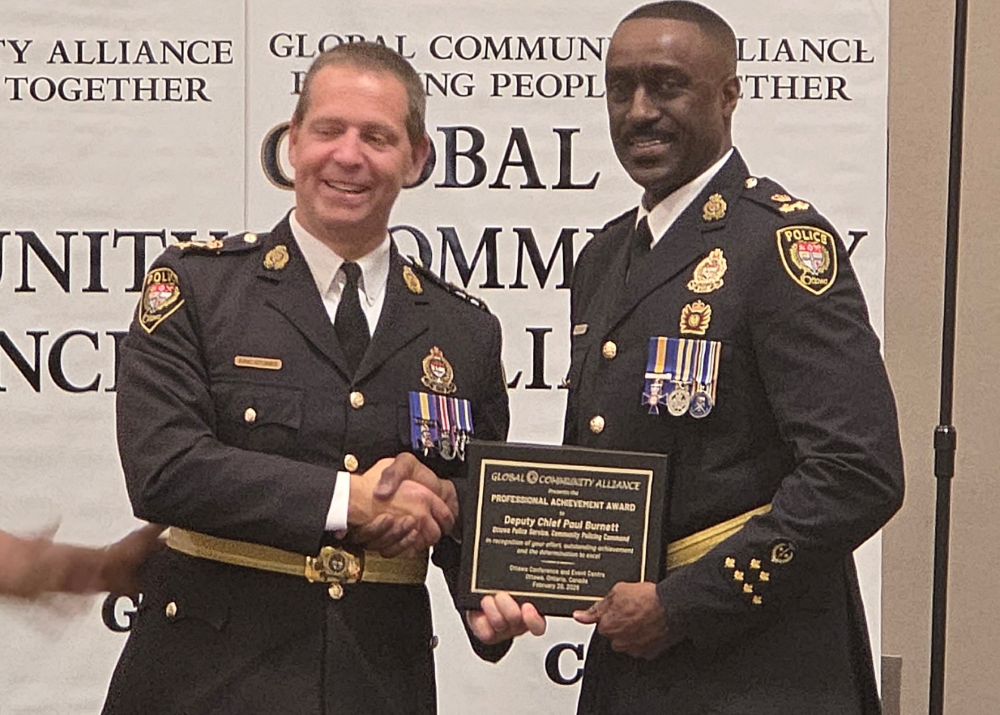
Moments like that matter. Because representation in public safety leadership changes perception and culture.
And then came another symbolic moment: the unveiling of the annual Canada Post commemorative stamp by Elders June Girvan and Ingrid John-Baptiste.
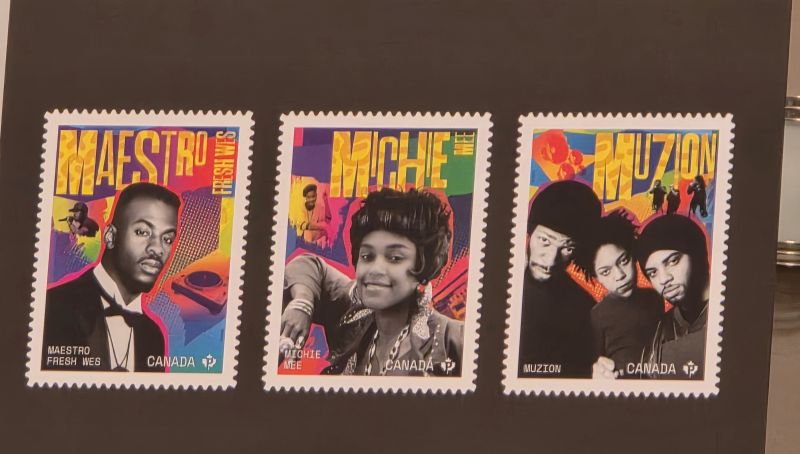
The stamp honored Canadian hip-hop pioneers – Maestro Fresh Wes, Michie Mee, and Muzion.
A stamp may seem symbolic. But national memory matters.
When culture is printed and circulated, it becomes part of the country’s permanent story.
Something Is Maturing
As I looked around the room, I saw:
• Youth being recognized
• Entrepreneurs being honored
• Police leadership acknowledged
• Municipal policy influence present
• Cultural history formally commemorated
That’s not random. That’s layering.
For years, Black History Month was about recognition, and rightly so.
But what I saw that night felt different. It felt like consolidation.
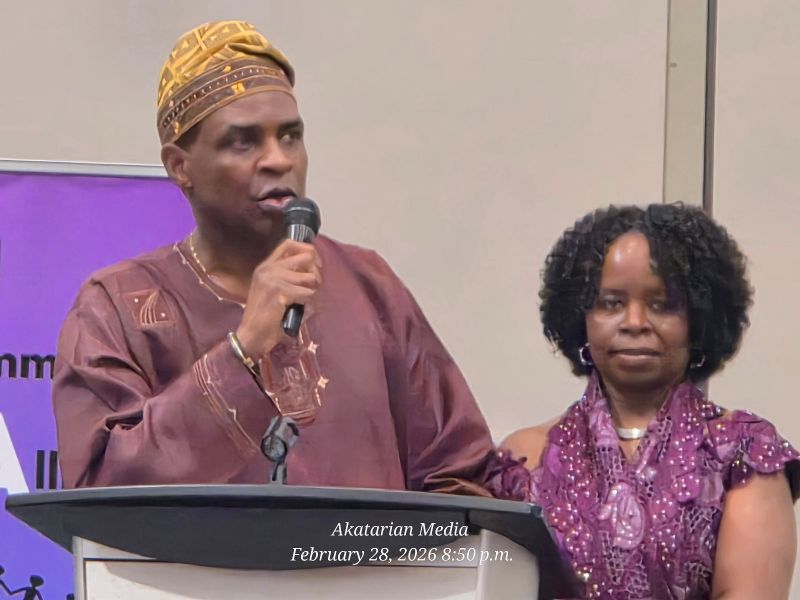
Not just celebrating excellence. Embedding it.
Embedding it in city councils.
In healthcare systems.
In public safety leadership.
In national memory.
The applause was warm. But the real story wasn’t the applause.
It was who now sits at the table and who is building quietly while seated there.
Eastern Ontario isn’t just celebrating history. It’s participating in shaping the next chapter.
And that is worth paying attention to.